Antonio Guterres au sommet de l’UA : Un plaidoyer pour la souveraineté et la fin des ingérences
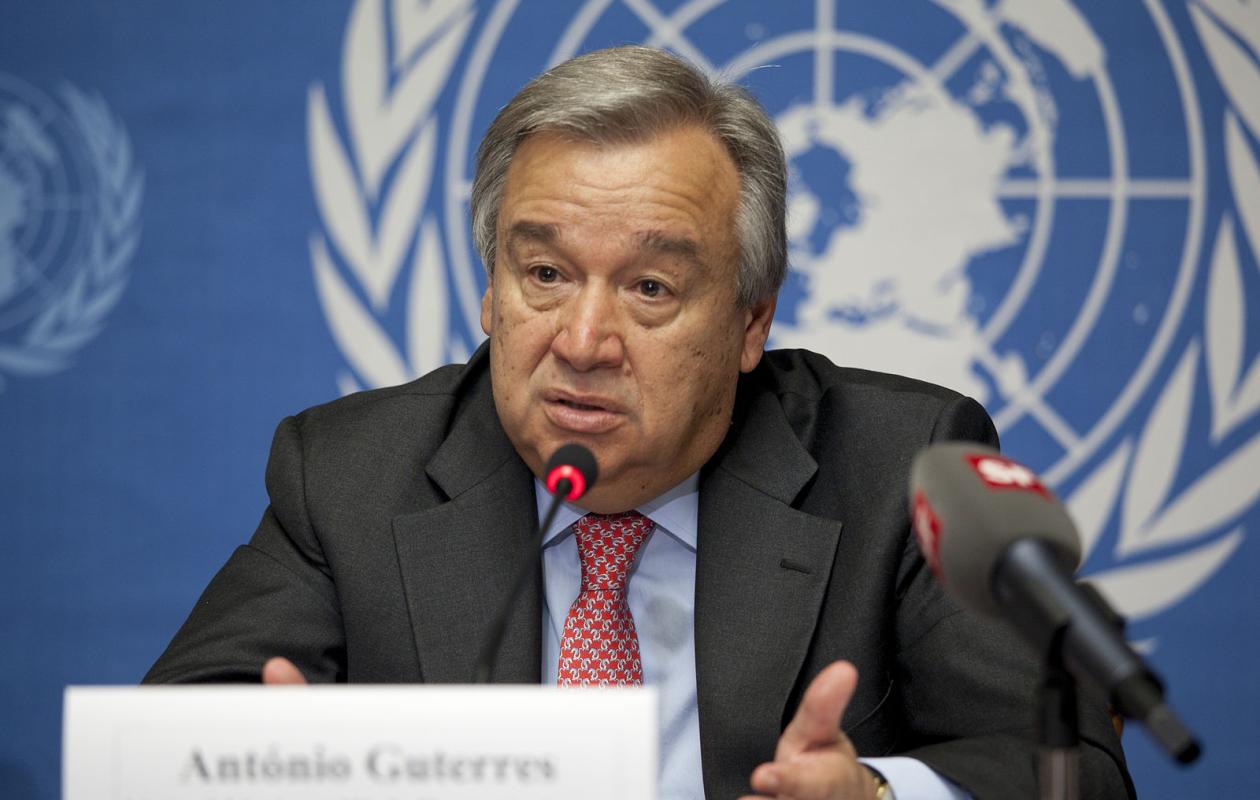
At the opening of the African Union summit on Saturday, February 14, 2026, United Nations Secretary-General António Guterres delivered a stark assessment of the crises tearing the continent apart. Between the quagmire in the DRC, the chaos in Sudan, and the rise of terrorism in the Sahel, the UN chief called for a renewed diplomatic effort based on trust and territorial integrity.
1. DRC: Breaking the security deadlock
Faced with the failure of the Washington and Doha agreements, and with the AFC/M23 rebellion (supported by Rwanda) maintaining its hold on Goma, Antonio Guterres is showing realism.
- MONUSCO's role: He reiterates that the mission has neither the mandate nor the means to impose peace by force. Its role remains that of a mediator attempting to restore a "completely shattered" trust.
- The issue of sanctions: Although the United States is considering sanctions against Kigali, Guterres clarifies that the subject has not yet been debated in the Security Council. He insists on an absolute priority: respect for the territorial integrity of the DRC.
2. Sudan: The call for an end to interference
According to the Secretary-General, the war in Sudan is dragging on because of external factors.
- Coordination of mediations: It is urgent to unify peace initiatives in order to speak with one voice to the warring parties.
- A halt to arms deliveries: He directly points to the responsibility of the countries fueling the conflict, explicitly citing accusations against the United Arab Emirates . For him, peace will only be possible if external interference ceases.
3. Western Sahara: Cautious optimism
Antonio Guterres confirms the historic shift of the UN, which now supports the Moroccan autonomy plan .
- The recent discussions in Madrid are reportedly taking place in a "constructive spirit".
- The objective is to find a definitive solution to this fifty-year-old conflict while respecting the interests of both parties, under the auspices of the Security Council.
4. Sahel and the fight against terrorism: Separating politics and
security
Regarding the Alliance of Sahel States (Mali, Niger, Burkina Faso), Guterres advocates a pragmatic approach:
- Political legitimacy: He invites these transitional regimes to draw inspiration from the Gabonese model for a return to constitutional order.
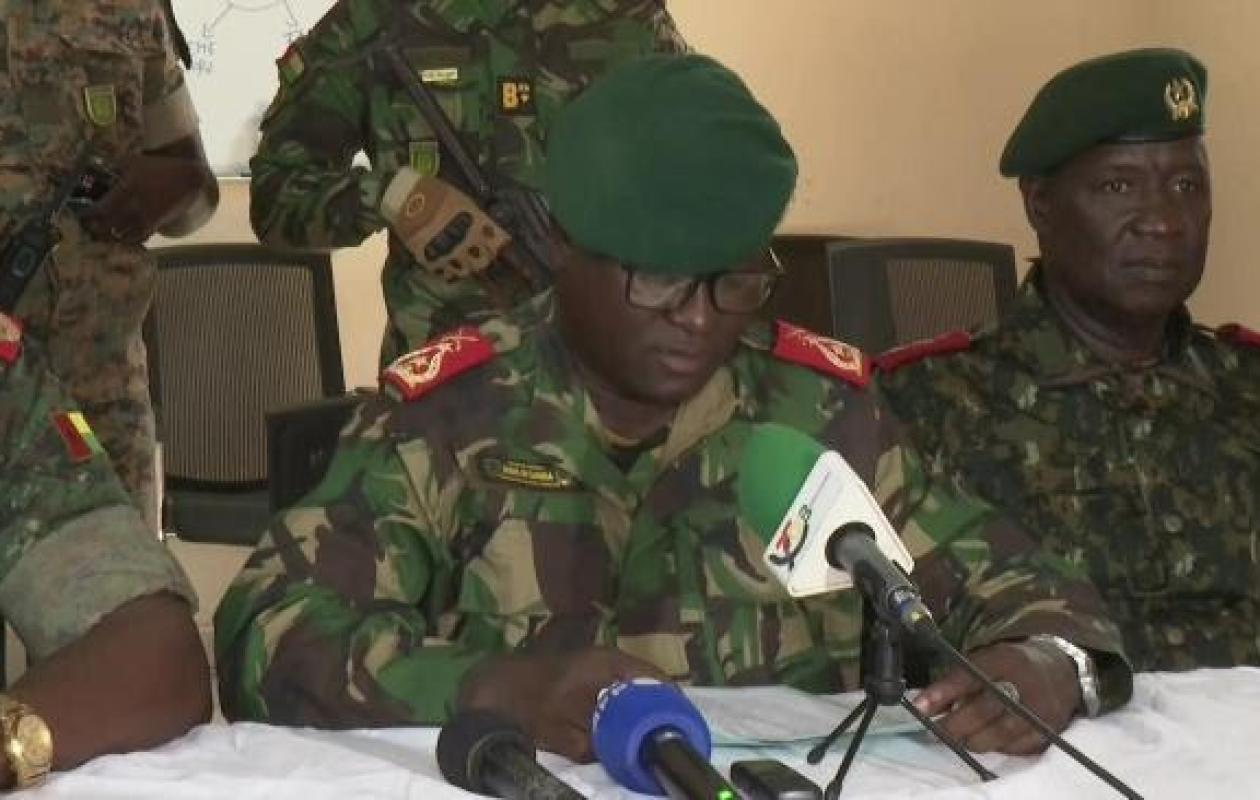
- Unity against terrorism: He calls for separating political differences from the need for military cooperation. The terrorist threat in the Sahel is, according to him, "the most significant in the world today" and requires the sharing of intelligence.
5. Multilateralism: The UN remains the sole linchpin
When asked about the "Peace Council" launched by Donald Trump, Antonio Guterres dismissed any idea of competition.
"The only entity in the world that has the right to impose peace or authorize military interventions is the United Nations Security Council. Nothing can replace it."
On the Gaza issue, he reaffirms the organization's unchanging objective: an effective ceasefire, the withdrawal of Israeli forces and the two-state solution.
Auteur: Ivoirematin
Publié le: Samedi 14 Février 2026




Commentaires (0)
Participer à la Discussion
Règles de la communauté
💡 Astuce : Utilisez des emojis depuis votre téléphone ou le module emoji ci-dessous. Cliquez sur GIF pour ajouter un GIF animé. Collez un lien X/Twitter, TikTok ou Instagram pour l'afficher automatiquement.
Se connecter
Commentez avec votre profil, votre photo, et soyez averti des réponses.