Mobilisation à Dakar : Les Sénégalais dans la rue face au vertige de la vie chère
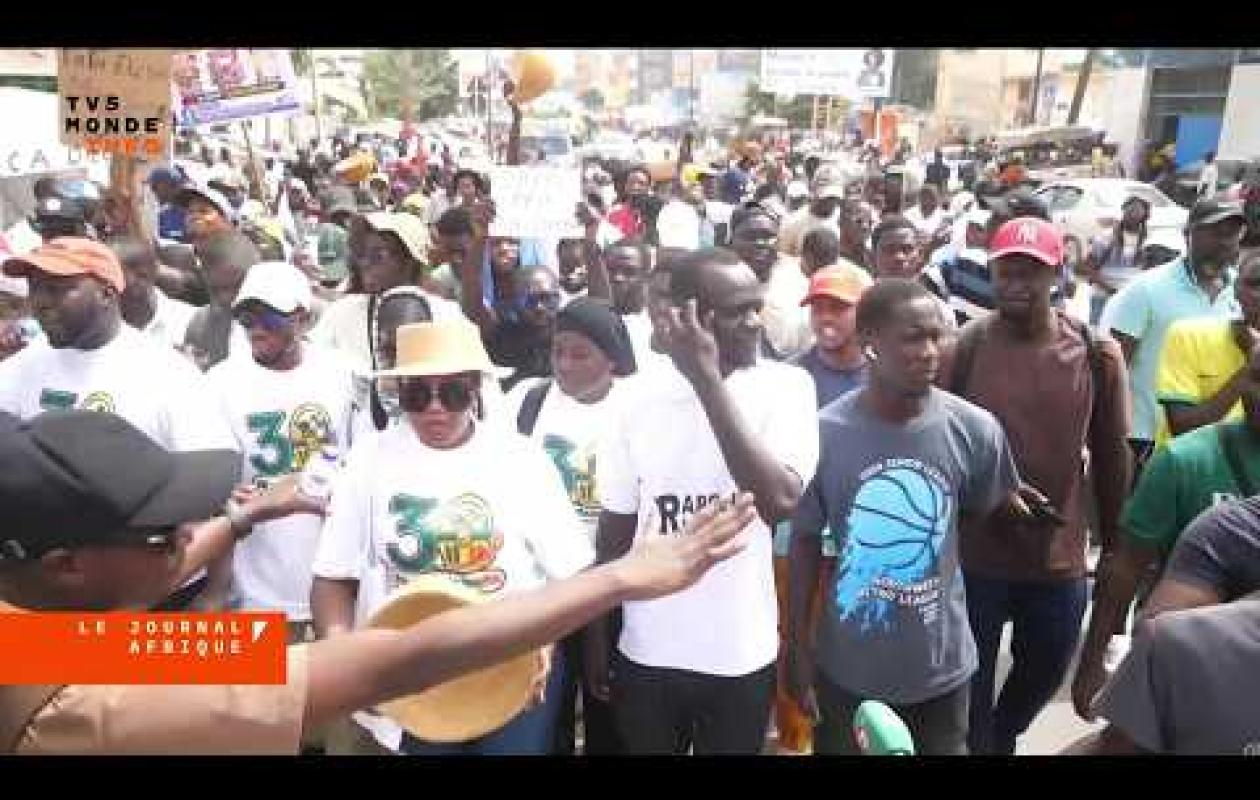
On Saturday, September 5, 2026, more than two hundred people marched through the streets of the Senegalese capital to protest against the uncontrolled surge in prices. This gathering brought to life the citizen movement "30 Days for a Fair Price," which has been gaining massive traction online since the beginning of the month. Initiated by a non-political collective of social media personalities and ordinary citizens, thousands of Senegalese are sharing their exasperation daily, providing evidence such as receipts, videos from supermarkets, and desperately empty shopping baskets.
In the procession, the dismay is palpable. The cost of food has skyrocketed, as exemplified by meat, whose price per kilo has jumped by 30% in a year. Even preparing thiéboudiène , the traditional fish and rice dish shared with family, has become a luxury item, costing up to 10,000 CFA francs (approximately 15 euros). For Aïcha, a protester, the situation is becoming unbearable: "I haven't eaten meat for four months; I only eat fish. The middle class is collapsing."
But the discontent goes far beyond daily food. Inflation is affecting all services—leisure, restaurants, gyms—as well as real estate, which has become unaffordable in Dakar. Present at the march in his personal capacity, Boully Galissa, chief of staff to the mayor of the city, denounced the impossibility of finding decent housing: “Landlords and agencies must remember that they are in Dakar, not Paris or New York. The minimum wage here is 170,000 CFA francs. If rents don't adjust to local purchasing power, Senegalese people will become strangers in their own country.”
For Dieynaba Ndiaye, a member of the collective behind the march, this phenomenon affects all daily expenses in the absence of regulation: "Compared to neighboring countries, Dakar is outrageously expensive. The recent rise in fuel prices has a domino effect. Electricity, rents... everything is increasing without control, without explanation, and without consultation with the population."
The crisis is also taking place within a particularly tense national economic context. Senegal is trying to reduce a massive public debt estimated at 132% of GDP. While a new agreement has been reached with the IMF, the announcement made by the Minister of Economy, Cheikh Diba,
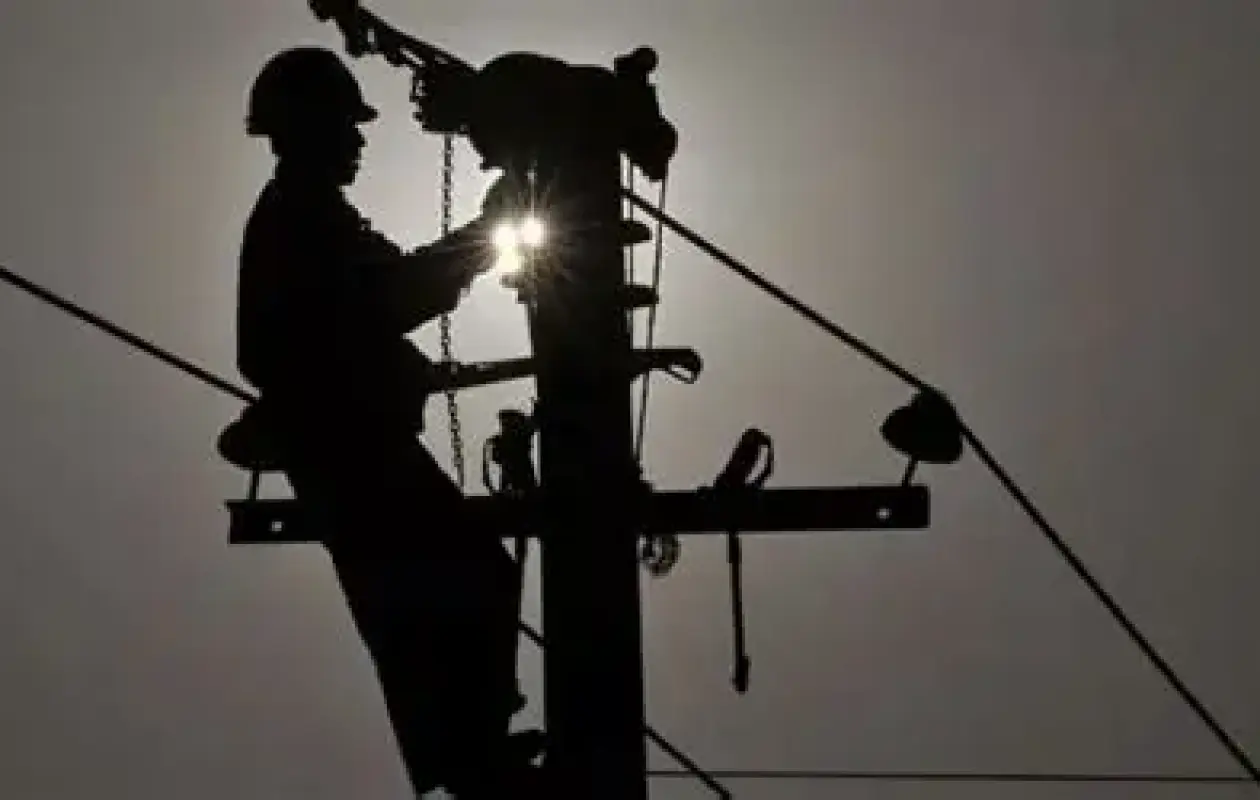
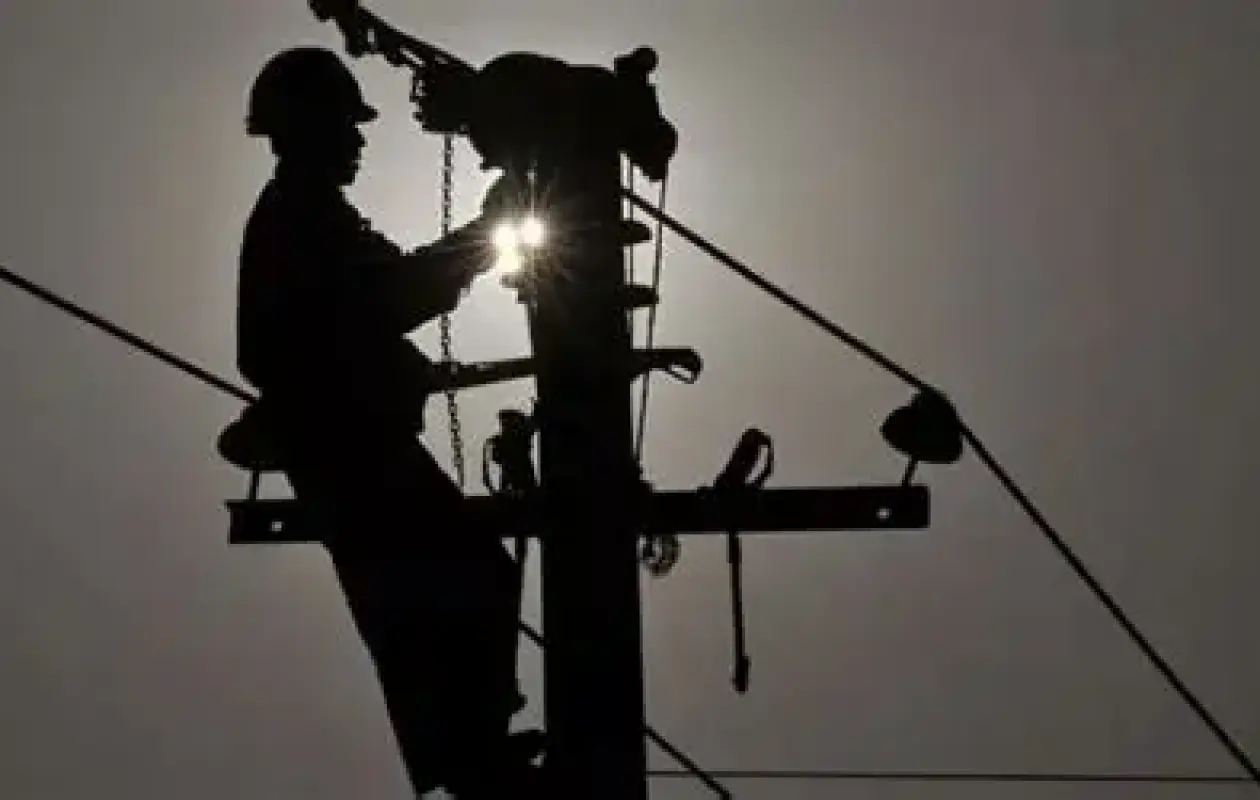
The end of widespread electricity subsidies is fueling fears. Many citizens, like El Hadji, dread having to pay a heavy price for these macroeconomic reforms: "If the IMF intervenes and we have to repay the creditors, it will be the citizens who foot the bill again. We're at our wits' end; we can't accept any more sacrifices."



Commentaires (0)
Participer à la Discussion
Règles de la communauté
💡 Astuce : Utilisez des emojis depuis votre téléphone ou le module emoji ci-dessous. Cliquez sur GIF pour ajouter un GIF animé. Collez un lien X/Twitter, TikTok ou Instagram pour l'afficher automatiquement.
Se connecter
Commentez avec votre profil, votre photo, et soyez averti des réponses.