Niger : un capitaine parachutiste livre sa version de la mutinerie et pointe du doigt Bazoum, Abidjan et Cotonou
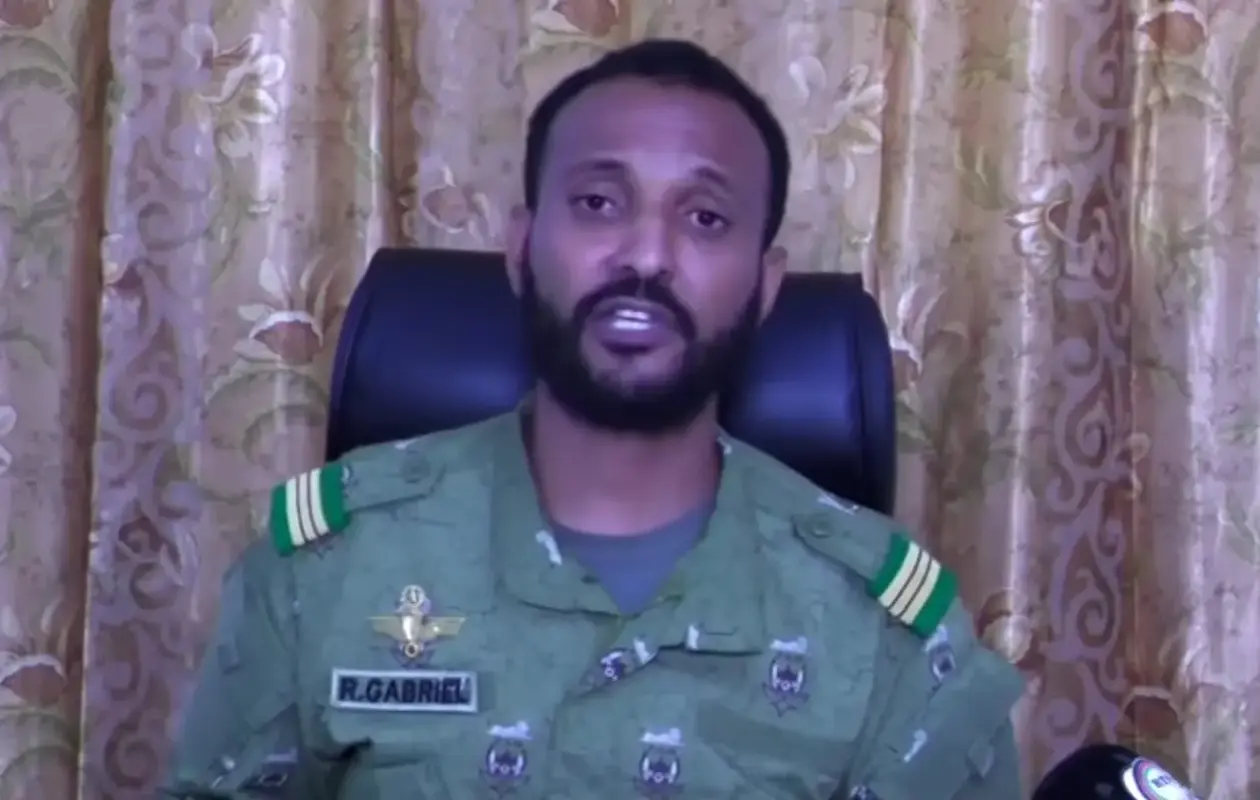
In any political crisis, each actor offers their own interpretation of events. Captain Roger Gabriel, a paratrooper officer in the 1st Battalion of Niamey, chose national television to reconstruct the events that occurred on the night of August 28-29, 2026. Speaking to the camera, the soldier gave a detailed account of that night of uncertainty, transforming what appeared to be a terrorist attack into an attempt to overthrow the National Committee for the Safeguarding of the Homeland (CNSP).
The captain's account begins in his neighborhood of Kambogagi, where bursts of gunfire from Air Base 101 rouse him from his sleep. Following standard procedures, he rejoins his men, receives his weapons, and secures his sector before receiving orders to position his troops on the capital's second bridge.
However, the initial version of a terrorist incursion quickly fell apart. Reports from the field revealed an internal clash between the Security and Intelligence Battalion (BSR COS) and the presidential guard. Approached by several officers involved in the movement—including Captains Kader, Nasser Naïssa, and Abdel Fattah—Captain Gabriel stated that he had declined their calls for rebellion while reporting them to his superiors.
The statement took a major diplomatic turn when the officer mentioned his telephone conversations. He claimed to have been contacted by figures close to former President Mohamed Bazoum, as well as by a Chadian officer, Colonel Hassan Adam. According to these contacts, a support operation combining Chadian forces and French special forces had been considered to back the mutineers.
The narrative also involves several regional and international chancelleries:
While this testimony sheds precise light on the troop movements and networks of influence used that night, it is based primarily on verbal statements without the presentation of direct material evidence.
This televised address also raises questions about its form: the choice to have these accusations made by a junior officer rather than an official spokesperson for the CNSP raises questions about the strategic context of this broadcast. While the narrative reinforces the image of a regime facing foreign interference, the embassies mentioned—notably Abidjan, Cotonou, N'Djamena, and Paris—now find themselves compelled to clarify their position regarding these allegations.


Commentaires (0)
Participer à la Discussion
Règles de la communauté
💡 Astuce : Utilisez des emojis depuis votre téléphone ou le module emoji ci-dessous. Cliquez sur GIF pour ajouter un GIF animé. Collez un lien X/Twitter, TikTok ou Instagram pour l'afficher automatiquement.
Se connecter
Commentez avec votre profil, votre photo, et soyez averti des réponses.