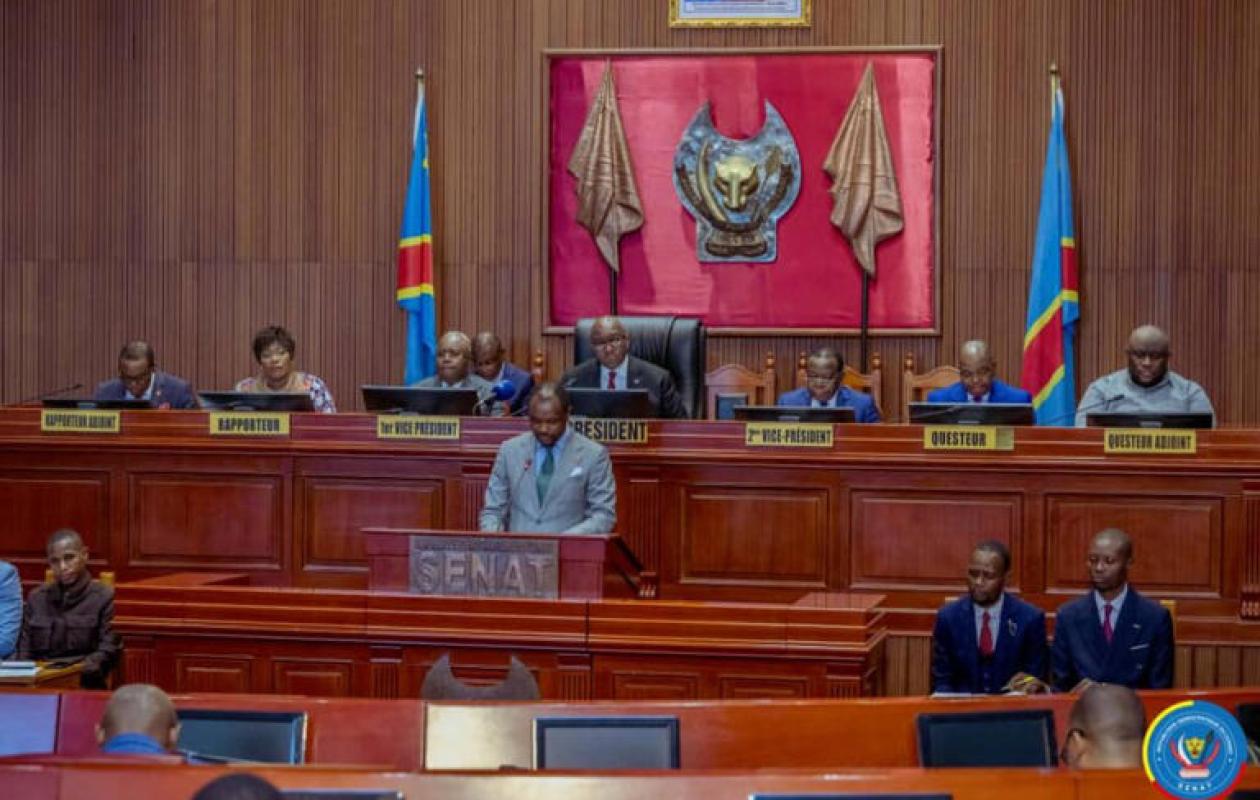
RDC : La SNEL « incapable d'opérer dans les zones occupées » et un déficit énergétique colossal, selon le ministre
The Minister of Water Resources and Electricity, Aimé Sakombi Molendo, painted a worrying picture of the energy situation in the Democratic Republic of Congo before the Senate. He particularly highlighted the inability of the National Electricity Company (SNEL) to maintain its operations in the eastern regions of the country.
According to the minister, SNEL can no longer operate in areas "illegally occupied by the Rwandan Democratic Forces (RDF) and their proxies, the AFC/M23," after losing control of the Ruzizi 1 (29.8 MW) and Ruzizi 2 (24 MW) hydroelectric dams . This situation has led to the relocation and support of several company employees.
Furthermore, this occupation prevents the DRC from participating in the technical activities of major regional energy projects, such as those coordinated by NELSAP (Multinational Project for the Interconnection of Electricity Networks of the Equatorial Lake Countries of the Nile).
Addressing the issue of service, the minister revealed a major structural imbalance between electricity supply and demand.
The minister specified that if we consider the entire territory, the overall national deficit exceeds 20,000 MW .
Despite the urgency, Aimé Sakombi Molendo reaffirmed that the Inga hydroelectric complex remains the "central pillar" of energy policy. It is seen as the strategic asset that could make the DRC a global energy powerhouse .
However, recognizing that Inga is a "long-term" project, the government is deploying a "truly pragmatic energy mix" including:
To rapidly increase access to electricity, the minister concluded by announcing that, through ANSER and the financing of 100 new power plants , 26 of them should be operational by December, allowing an additional 1 million Congolese to have access to electricity .










Commentaires (0)
Participer à la Discussion
Règles de la communauté :
💡 Astuce : Utilisez des emojis depuis votre téléphone ou le module emoji ci-dessous. Cliquez sur GIF pour ajouter un GIF animé. Collez un lien X/Twitter, TikTok ou Instagram pour l'afficher automatiquement.