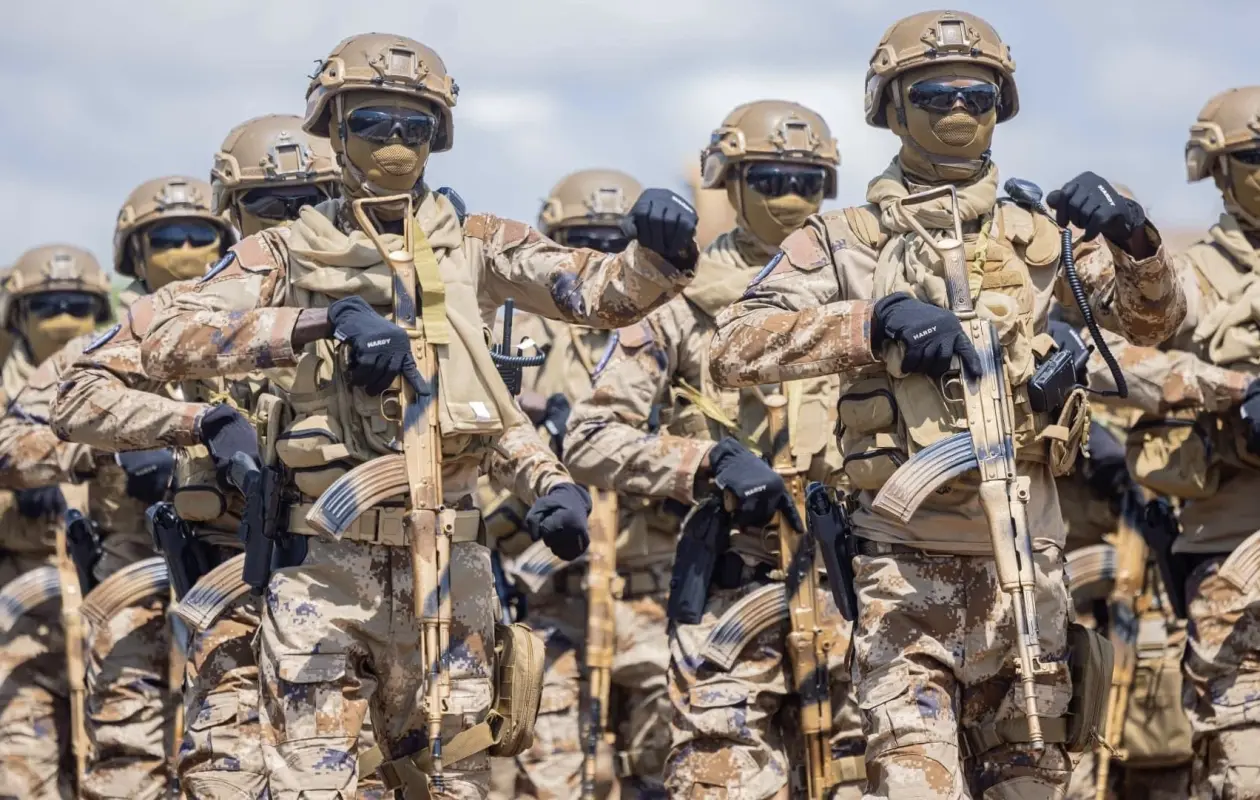
Tentative de Coup d'État au Bénin : L'AES au Cœur de l'Opération de Déstabilisation ?
The investigation into the failed coup attempt of December 6 and 7 in Benin is taking on an explosive regional dimension. The first elements, leaking from Beninese intelligence services, no longer point to a simple mutiny, but to a complex operation, meticulously planned, financed and coordinated by members of the Alliance of Sahel States (AES), notably Mali, Burkina Faso and Niger.
The emerging scenario is that of a hybrid war , combining covert funding, the recruitment of mercenaries and a massive online influence campaign, aimed at overthrowing President Patrice Talon.
The heart of the operation lies in its financing. Investigators have traced mobile money transfers to Benin, originating in Niger.
These "structured" money transfers implicate General Abdourahamane Tiani, the head of state of Niger, as the external mastermind. According to a source, this set of indicators demonstrates "clear command and a coherent strategy integrated into a regional vision."
The information and logistics aspects were allegedly managed by pro-junta activists, acting as transmission belts between the AES and the Beninese military conspirators.
Their mission was allegedly to conduct an online campaign to prepare public opinion for the arrival of the mutineers and to make a coup d'état acceptable rather than the classic electoral process.
The online propaganda effort was reportedly primarily entrusted to Burkina Faso . Burkinabe authorities are said to have committed to "strengthening propaganda on Facebook, TikTok and YouTube" through their cyber-activists.
After the attempt failed, with the Beninese army quickly routing the mutineers, Sahelian propaganda stepped up its game, flooding the networks with rumors (the president's flight, the army's rallying, etc.).
A major question mark remains: the silence of Togo . Lieutenant-Colonel Pascal Tigri, the alleged leader, is believed to have taken refuge in this neighboring country after the operation failed.
More than five days after the events, Lomé had still not officially reacted. Worse, it is suggested that Tigri is receiving "discreet protection" there. The investigation will have to determine whether this passivity stems from simple neutrality or active complicity with the coup plotters.
Conclusion: The attempted coup goes far beyond a simple internal mutiny. It highlights new methods of regional destabilization , where covert financing and information warfare are central pillars of offensives conducted in the sub-region.















Commentaires (0)
Participer à la Discussion
Règles de la communauté :
💡 Astuce : Utilisez des emojis depuis votre téléphone ou le module emoji ci-dessous. Cliquez sur GIF pour ajouter un GIF animé. Collez un lien X/Twitter, TikTok ou Instagram pour l'afficher automatiquement.