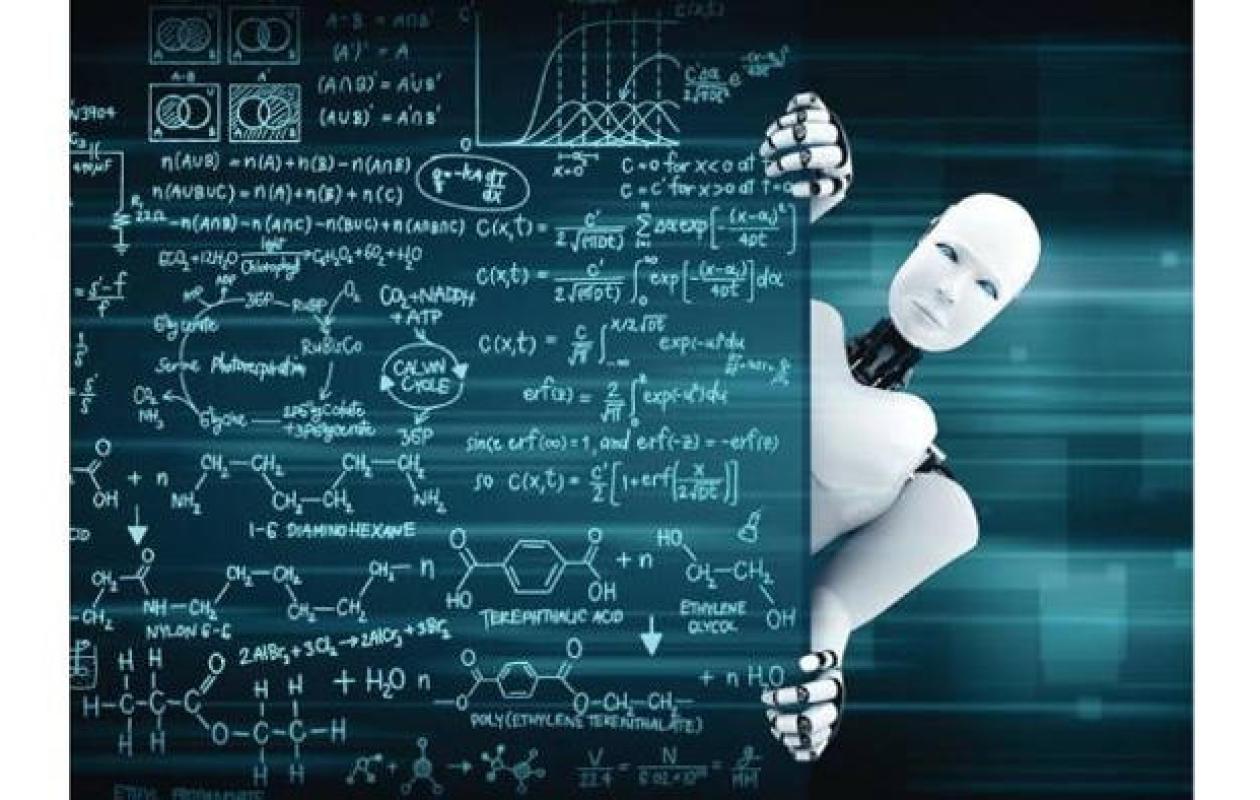
L’Éducation au Défi de l’IA : Pourquoi l’Université est Plus Vitale que Jamais
Faced with the growing uncertainty of the job market, some suggest abandoning university studies for early immersion in the corporate world. This, in our view, is a fundamental error. In a world where the future resembles the "fog" described by Geoffrey Hinton, the mission of education is no longer to train students for specific tasks, but to forge individuals capable of navigating the unknown.
Since technical skills are becoming obsolete at breakneck speed, higher education must return to its essence: the liberal arts . Rather than transmitting narrow skills, it is about cultivating:
These transferable skills are the only ones that will not become obsolete. The goal is not to turn students into passive consumers of AI, but into informed users capable of judging the relevance of the results produced by the machine.
History shows us that tools cannot replace understanding. The calculator didn't kill arithmetic; it delegated the execution to free the mind. With AI, we are experiencing a similar transition.
Language models (LLMs) can now summarize, code, or write. Teaching must therefore shift: students should no longer aim for mastery of manual execution, but rather for an understanding of the underlying concepts . Tomorrow's success will belong to those who can structure a problem and guide AI to solve it.
AI is making homework and unproctored exams obsolete. To guarantee real learning and avoid technological shortcuts, a return to traditional methods is essential:
This change paradoxically requires a very human-centered model: smaller classes and direct interaction between teacher and student. This may well be the beginning of a new golden age for personalized education .
This "high human intensity" model raises two major problems:
The Key Takeaway: AI doesn't make formal education obsolete; it makes it more demanding. For society to benefit from this revolution, we must invest massively in people. The productivity gains generated by AI should be used to fund this imperative: more teachers, smaller class sizes, and enhanced human interaction. The future of AI lies in an education that is more human than ever before.




















Commentaires (0)
Participer à la Discussion
Règles de la communauté :
💡 Astuce : Utilisez des emojis depuis votre téléphone ou le module emoji ci-dessous. Cliquez sur GIF pour ajouter un GIF animé. Collez un lien X/Twitter, TikTok ou Instagram pour l'afficher automatiquement.