Mauritanie : L’ONU reconnaît l'esclavage des Africains comme « crime contre l'humanité »
On March 25, 2026, a historic step was taken at the United Nations headquarters. At the initiative of Ghana , the General Assembly adopted a resolution classifying the racialized trafficking and slavery of Africans as "the most serious crime against humanity" .
Although symbolic, this text—approved by 123 states —highlights the roots of contemporary inequalities. For the UN Secretary-General, this recognition is essential to combating neocolonialism and the structural discrimination that still affects the descendants of victims.
Despite the moral significance of the text, the vote revealed deep divisions within the international community:
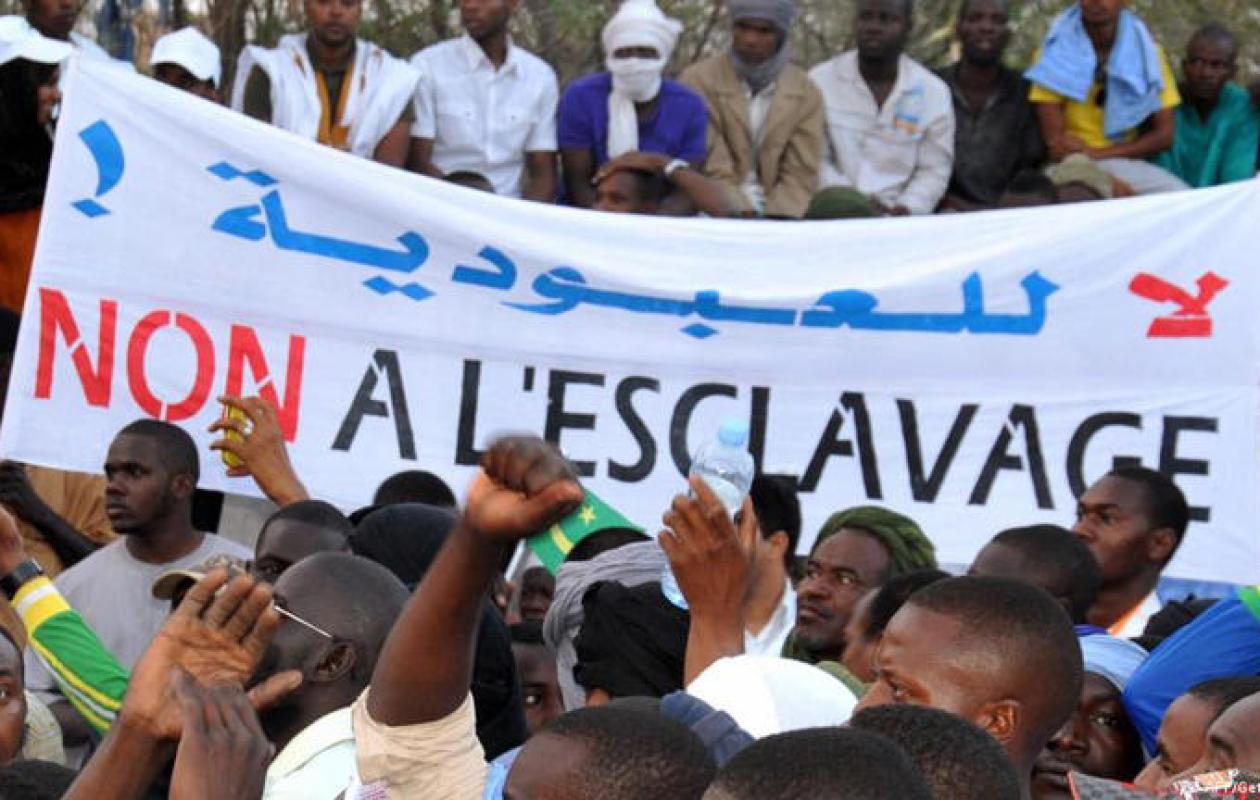
While the UN examines the past, the reality of slavery remains a burning issue, particularly in Mauritania. Although the country officially abolished this practice on November 9, 1981 , its complete eradication still seems a long way off.
To compensate for the ineffectiveness of the 1981 abolition, the Mauritanian government toughened its stance in 2007 by adopting a law criminalizing slavery. However, the results remain bleak:
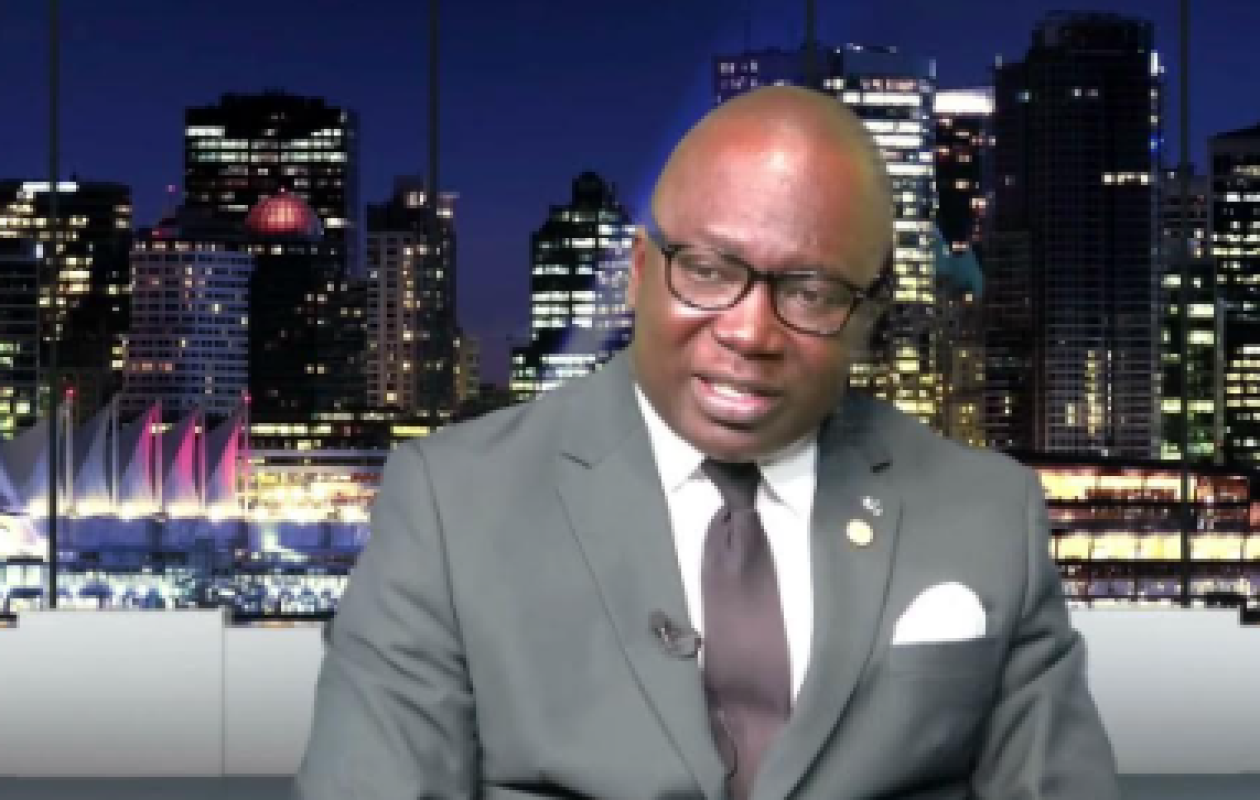
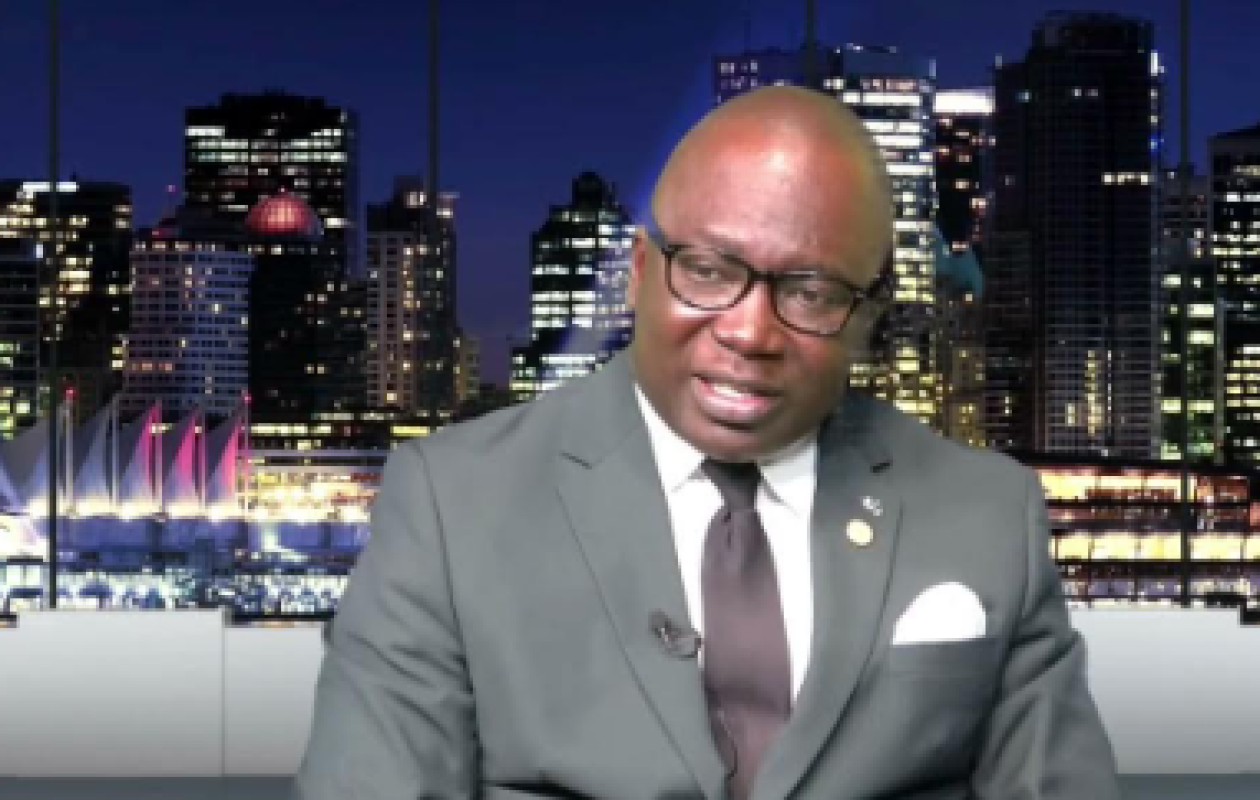
"Despite the adoption of several laws criminalizing this practice, Arab-Muslim slavery still persists in Mauritania," says Guy Samuel Nyoumsi , author of the book The Silent Tragedy of Slavery in Mauritania .
The persistence of these practices in Mauritania is a reminder that the fight against slavery is not won only in international forums, but also through strict application of the law on the ground.











Commentaires (0)
Participer à la Discussion
Règles de la communauté
💡 Astuce : Utilisez des emojis depuis votre téléphone ou le module emoji ci-dessous. Cliquez sur GIF pour ajouter un GIF animé. Collez un lien X/Twitter, TikTok ou Instagram pour l'afficher automatiquement.
Se connecter
Commentez avec votre profil, votre photo, et soyez averti des réponses.