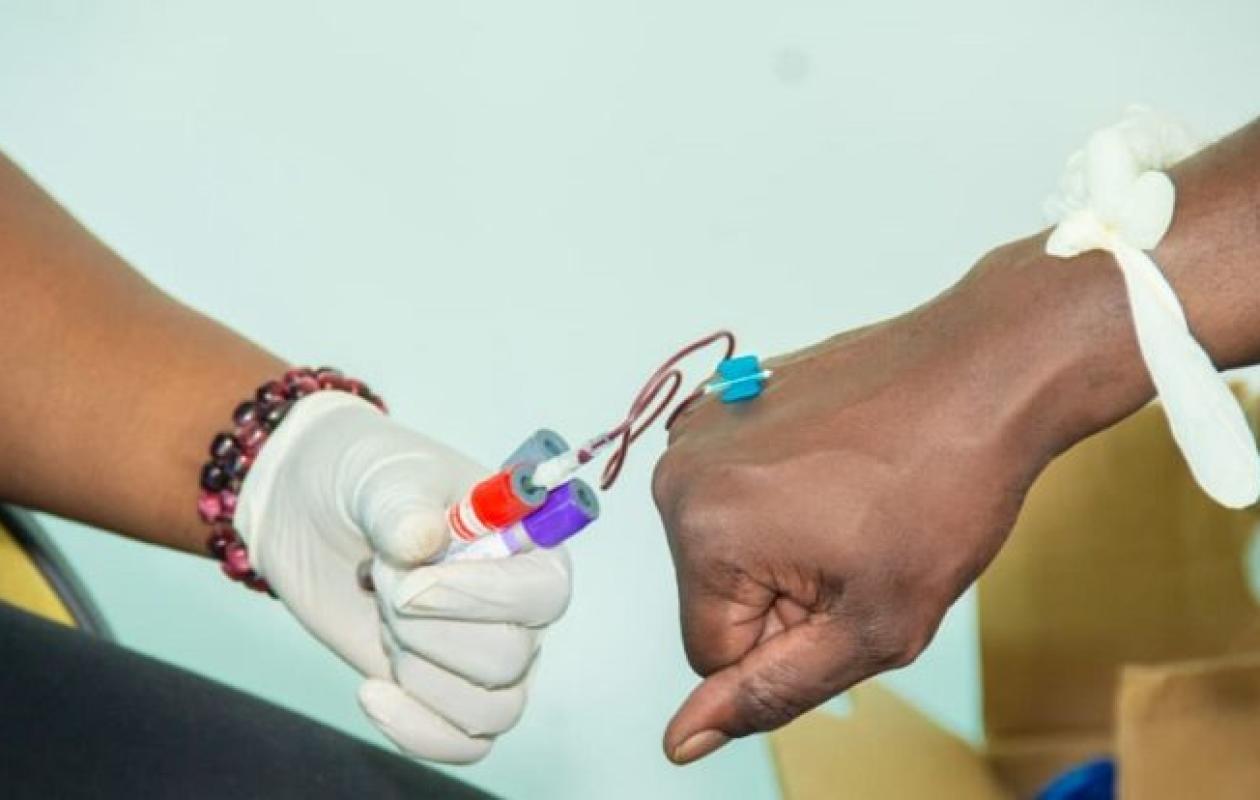
Le domicile, nouveau refuge des soins médicaux modernes
Long considered a secondary solution, home healthcare is now emerging as a strategic pillar of the Ivorian healthcare system. Driven by the aging population, evolving medical practices, and the digital revolution, this approach is reinventing the healthcare journey by placing medicine at the heart of the home and family unit.
Today, home hospitalization affects a wide variety of patient profiles:
The home is no longer just a place to live; it is becoming a true crossroads of care where logistics, medical expertise and social support are interconnected.
For patients, the psychological benefit is immediate. Koffi Jean (60 years old) , in rehabilitation after a stroke, receives a medical team every three days:
“Being treated at home, surrounded by my loved ones, allowed me to experience a more peaceful recovery. Far from the hustle and bustle of the hospital, I regained my dignity.”
The same is true for Ahou N'Guessan (52 years old) , who lives with severe diabetes. Home visits have put an end to the ordeal of tiring and expensive travel. "The care comes to me. I feel better monitored and, above all, listened to," she says.
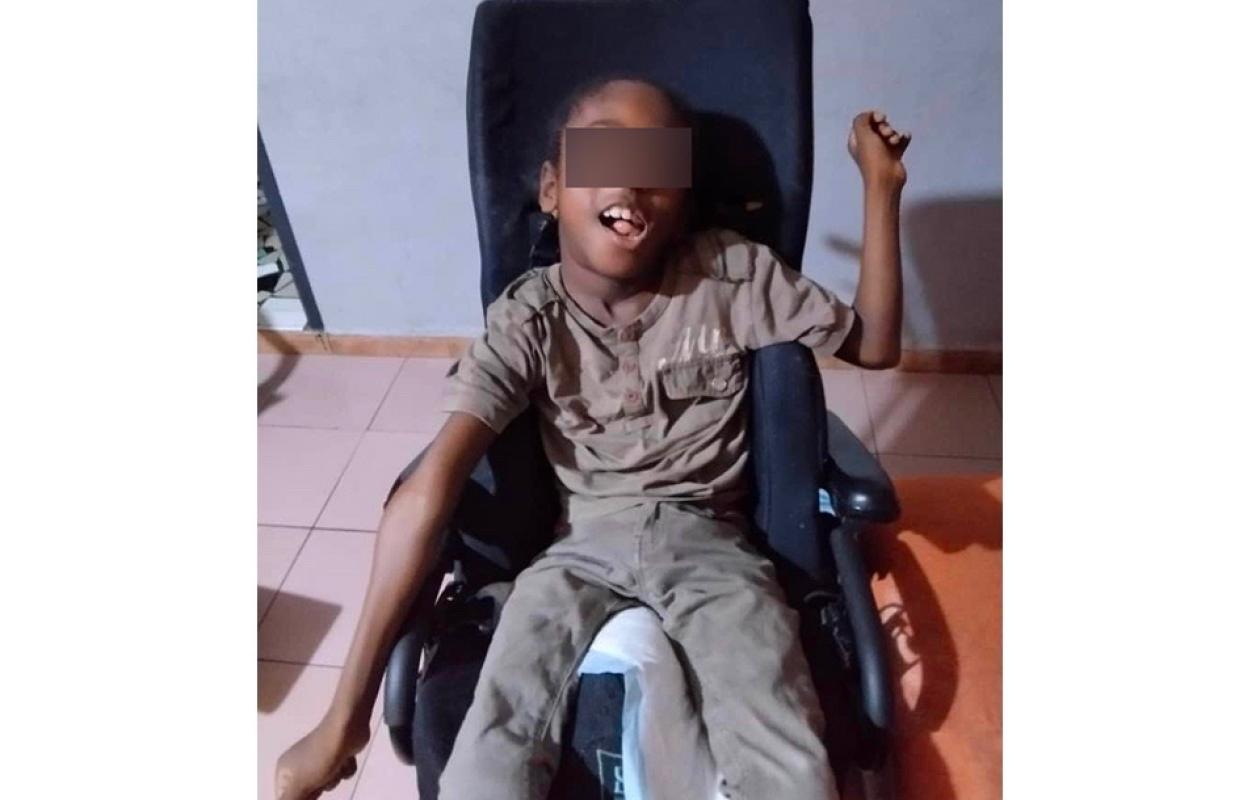
In Abobo, Traoré Mariam was able to get her 4-year-old son, who was suffering from malaria, treated without experiencing the trauma of a traditional hospitalization:
“I was dreading having to stay in the hospital for several days. At home, my child was treated without stress. The team also helped us install a mosquito net to prevent relapses.”
For Yao Kouadio (45 years old) , post-surgical monitoring at home accelerated his recovery: "Constantly returning to the hospital would have been exhausting. At home, I was more rested and focused on my recovery."
Beyond the medical technique, this model relies on a strong relational dimension. Kouamé Brigitte , who cares for her 78-year-old mother, testifies to this crucial support: "When the caregivers arrive, everything changes. They explain the procedures, manage the prescriptions with the doctor... We no longer feel alone."
For families accompanying a loved one at the end of their life, like Bamba Souleymane , home becomes a space of serenity: "My father goes back and forth to the hospital when his condition is unstable. But once he is stabilized, returning here, with the gentleness of the caregivers, allows us to get through this ordeal in calm and respect."
This approach is also transforming the perspective of healthcare professionals. Franck Yao , a home care nurse, explains:
“Entering a home means entering people’s private lives. It requires skill, but above all, listening and respect. It’s demanding, but profoundly human.”
This care is based on a multidisciplinary approach (doctors, nurses, nursing assistants, physiotherapists, laboratories and imaging). The coordination of these teams, once manual, is rapidly becoming digitalized to offer smoother and safer pathways.
Despite its many advantages, the sector suffers from a lack of standardized national pricing. Costs vary considerably depending on the condition and geographical location.
“Home care has helped me a lot, but not everything is covered. Between medication and tests, the out-of-pocket expenses are real. But I save on transportation costs,” explains Yao Kouadio.
Geographical distance also remains a barrier, as highlighted by a patient on the outskirts of Abidjan: "In the city center, the teams intervene quickly. As soon as you move further away, the delays increase and the bill goes up."
Although Universal Health Coverage (CMU) offers coverage ranging from 70% to 100% for certain population categories, the costs related to medical consumables and human assistance often remain the responsibility of families.
For Dr. Ousmane Soumahoro , physician and founder of the E-Health Development Agency (ADES) and the Umed platform, home care is no longer a marginal option, but a structural solution:
"This model improves the care pathway and reduces indirect costs associated with hospital accommodation. By combining teleconsultations and physical visits, the home becomes a connected care unit. This frees up emergency beds for the most critical cases."
The major challenge now lies in the regulation, sustainable funding and official integration of this model into public health policies in order to guarantee equitable access.
The need for home care in Ivory Coast is explained by a major gap between the infrastructure built and the country's actual capacity to accommodate it.
| Health Indicator (Ivory Coast) Trends (2011 - 2025) | |
| Buildings constructed / renovated | + 250 health centers |
| Geographic accessibility | 80% of the population lives within 5 km of a center |
| Total litter capacity | Increase from 6,000 to 9,000 beds |
| Bed ratio | 3 beds for 10,000 inhabitants |
According to the National Malaria Control Program (PNLP), 1 in 4 people in Côte d'Ivoire contracts malaria each year. A third of these cases require approximately 3 days of hospitalization.
To treat this single disease, 6 beds per 10,000 inhabitants would be needed (i.e., 12,000 beds in total) . The need for malaria alone therefore exceeds the country's overall hospital capacity (9,000 beds).
Faced with this overcrowding, the solution is not simply to build new hospitals, but to optimize the use of existing beds. This is where organizations like the Umed platform come in, transforming the home into a natural extension of the hospital. In Abidjan, Umed's interventions have increased from 47 in 2019 to 4,709 in 2025 , demonstrating the explosion in this demand.
Launched by Dr. Ousmane Soumahoro, the UMED platform has established itself as the benchmark for outpatient medicine in Ivory Coast thanks to an innovative hybrid model:
By actively involving family caregivers within a multidisciplinary team, UMED makes medical care safer and more humane. Supported by strategic investments, the platform aims to forge partnerships with the government, insurers, and the private sector to standardize and democratize home healthcare throughout the country.



















Commentaires (0)
Participer à la Discussion
Règles de la communauté
💡 Astuce : Utilisez des emojis depuis votre téléphone ou le module emoji ci-dessous. Cliquez sur GIF pour ajouter un GIF animé. Collez un lien X/Twitter, TikTok ou Instagram pour l'afficher automatiquement.
Se connecter
Commentez avec votre profil, votre photo, et soyez averti des réponses.