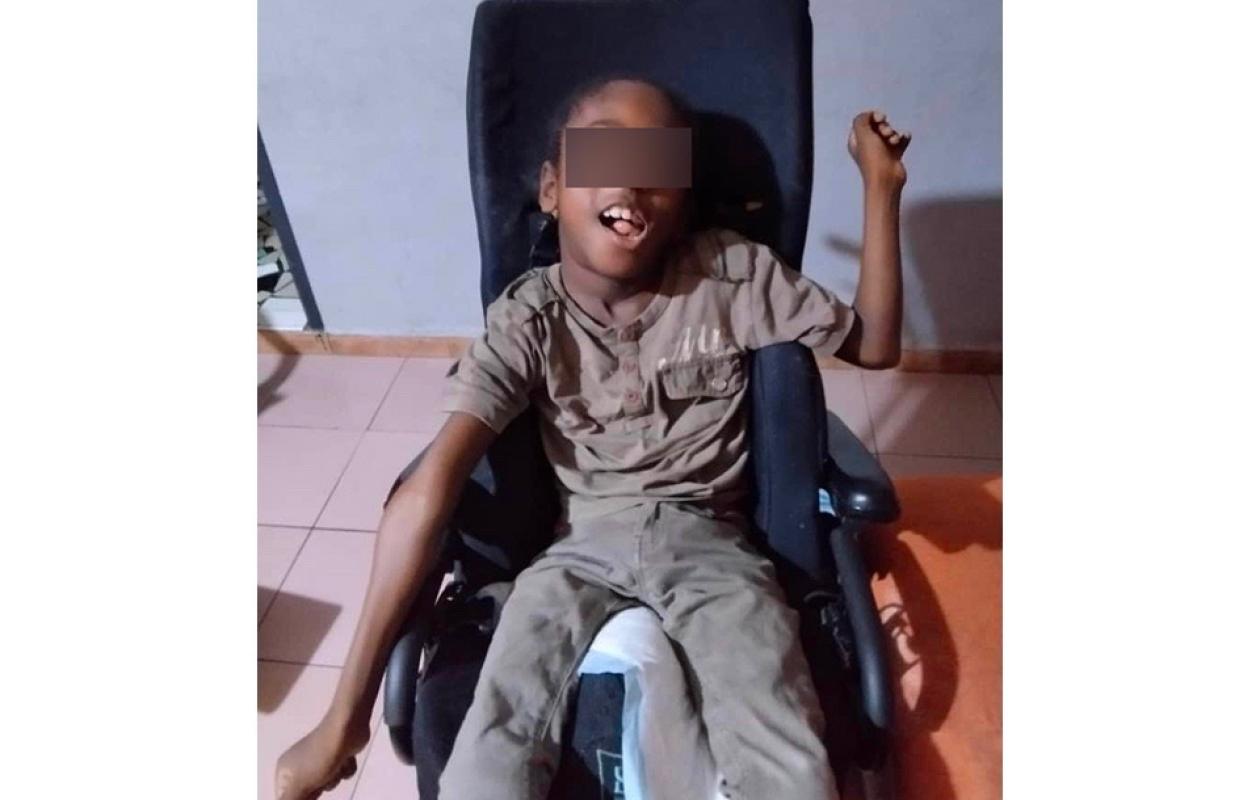
L’infirmité motrice cérébrale en Côte d’Ivoire : Entre détresse familiale, barrières financières et défis sociaux
Often invisible to society, cerebral palsy (CP) nevertheless disrupts the lives of thousands of children and their families in Ivory Coast. Between long and expensive treatment paths, a lack of specialized facilities, persistent stigma, and psychological distress, parents wage a daily battle to offer their children a semblance of independence.
Through poignant testimonies from parents, insights from specialists and the commitment of the non-profit sector, this report highlights the multiple challenges linked to this neurological pathology and identifies ways to improve its management.
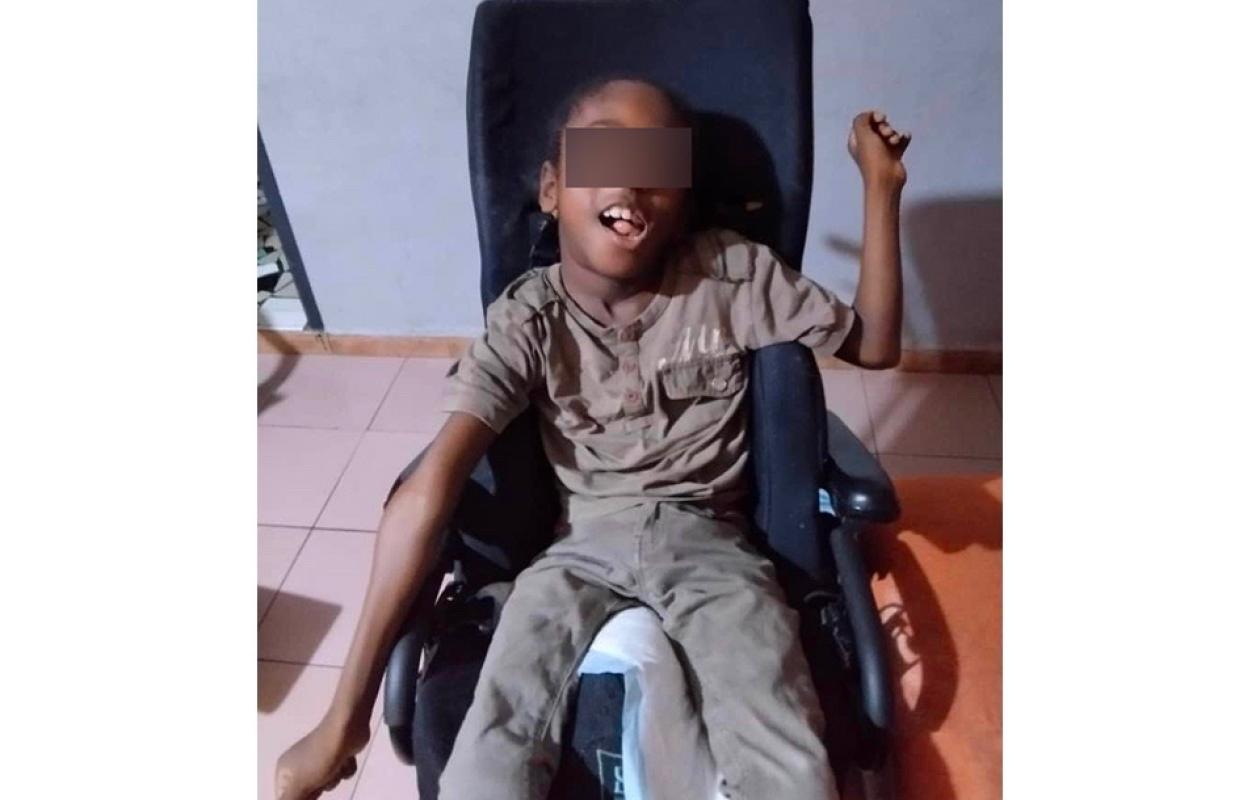
In Yopougon, the life of Marcelle Gbahou, in her forties, changed radically 10 years ago, with the birth of her son who has cerebral palsy.
"I was working and preparing a doctorate in philosophy at the university. When the child was born, I had to stop everything," she confided during an interview with AIP.
For almost three years, she remained confined to the house. The child, whose arms remained stuck behind her back, could not hold her head up, could not sit up and cried 24 hours a day. While Marcelle was able to count on the unwavering support of her husband, a rare stroke of luck, she had to face the incomprehension of her own family, who advised her to "start over".
Beyond the private sphere, Marcelle regularly experiences the violence of social judgment. On public transport, passengers get off the vehicle at the sight of her son. Even in places of worship, they are shunned: no one wants to sit next to them.
In Cocody, Mao Toussaint, a security guard and athlete, embodies those fathers who bear the burden of illness alone. Although the mother of his four-year-old son lives under the same roof, she refuses to be involved in the child's upbringing or medical care. Mao therefore manages all the consultations, rehabilitation, and healthcare costs on his own.
The child crawls and suffers from not being able to express himself normally. "He knows he is different from the others. When he sees the other children playing, he wants to get up but he can't. When that happens, he gets angry," the father says emotionally.
This constant mental and physical strain prevents Mao from maintaining a stable job. Forced to leave his position early to be with his son, who cannot bear the separation, he struggles to secure a regular income. Thanks to the NGO Cœur d'Amour d'Enfants (Children's Heart of Love ), he was able to guide his son toward appropriate services, but there is still a long way to go: he desperately needs help to finance a wheelchair and orthopedic devices.
Cerebral palsy is a non-progressive condition (the brain lesion does not worsen), but its consequences on motor skills and autonomy are long-lasting.
Dr. Nancy Essoin-De Souza , an expert in pediatric neurology, explains that cerebral palsy encompasses a range of permanent movement and posture disorders. These result from brain damage that occurred before, during, or just after birth.
Dr. Essoin-De Souza emphasizes the importance of early detection as soon as motor delays appear (a baby who cannot hold their head up, rolls over, or sits up late). Clinical diagnosis is generally confirmed between 12 and 24 months. Early intervention allows us to take advantage of neuroplasticity —the brain's ability to adapt—to stimulate motor skills and prevent serious complications (joint deformities, chronic pain, nutritional disorders).
Managing BMI requires the coordinated intervention of several healthcare professionals:
For Ivorian families, the cost of treatment is simply suffocating. The initial tests required to make a diagnosis already represent a fortune for low-income households:
| Examination / Treatment | Estimated average cost (FCFA) |
| Electroencephalogram (EEG) | ~ 45,000 FCFA |
| Scanner | ~ 80,000 FCFA |
| Magnetic Resonance Imaging (MRI) | ~ 180,000 FCFA |
| Rehabilitation session | 5,000 to 20,000 FCFA / session |
| Monthly cost of rehabilitation (3 sessions/week) | Up to 250,000 FCFA / month |
| Standard medical follow-up (excluding rehabilitation) | Minimum 150,000 FCFA / month |
Added to this is the cost of medication. Marcelle Gbahou mentions essential boxes of medication costing between 65,000 and 85,000 FCFA, of which a child needs two bottles per month. Lacking the necessary funds, many families are forced to space out or suspend medical appointments, thus disrupting the continuity of treatment.
Dembélé Lassana, a certified consultant in autism and neurodivergence, describes a real emotional earthquake among parents.
"The first stage is denial. Many parents fall into depression due to a lack of information, support, and financial resources."
Isolated by prejudice and social stigmatization, many families break up, too often leading to children being abandoned or voluntarily confined at home by desperate and ashamed parents in the face of outside scrutiny.
Faced with widespread destitution, Marcelle Gbahou transformed her pain into a fight by founding the NGO Cœur de Maman, Amour d'Enfant (Mother's Heart, Child's Love ). The association now supports more than 300 families, the majority of whom are single mothers rejected by their partners and relatives after the discovery of their child's disability.
The NGO offers free multidisciplinary consultations, seeks funding for examinations and orthopedic equipment, distributes food kits and diapers, and helps mothers start income-generating activities.
While access to healthcare remains a major challenge, Marcelle Gbahou highlights an even more stark reality: food insecurity . The diets of children with cerebral palsy often need to be adapted or liquid, which generates additional costs.
"Hunger is one of the first battles faced by children with cerebral palsy," insists the president of the NGO.
She laments that even today, children suffer from chronic malnutrition because their mothers cannot afford to provide even one meal a day. Although the Ivorian government recently took 52 children from the association into its care, more than 250 remain without any social safety net. The NGO is therefore launching an urgent appeal for national and international solidarity to mobilize emergency aid.
Cerebral palsy in Côte d'Ivoire remains a major health, social, and humanitarian challenge. While families still bear the brunt of this burden, the joint efforts of healthcare professionals and community organizations are offering renewed hope.
To reverse this trend, healthcare professionals are advocating for strong government action: decentralization and strengthening of specialized structures, substantial subsidies for medical examinations (MRIs, CT scans), assistance with the acquisition of equipment (wheelchairs), and the creation of adapted, inclusive educational centers. Enabling these children to develop their potential and find their place in society is both a human obligation and a public health imperative.









Commentaires (0)
Participer à la Discussion
Règles de la communauté
💡 Astuce : Utilisez des emojis depuis votre téléphone ou le module emoji ci-dessous. Cliquez sur GIF pour ajouter un GIF animé. Collez un lien X/Twitter, TikTok ou Instagram pour l'afficher automatiquement.
Se connecter
Commentez avec votre profil, votre photo, et soyez averti des réponses.