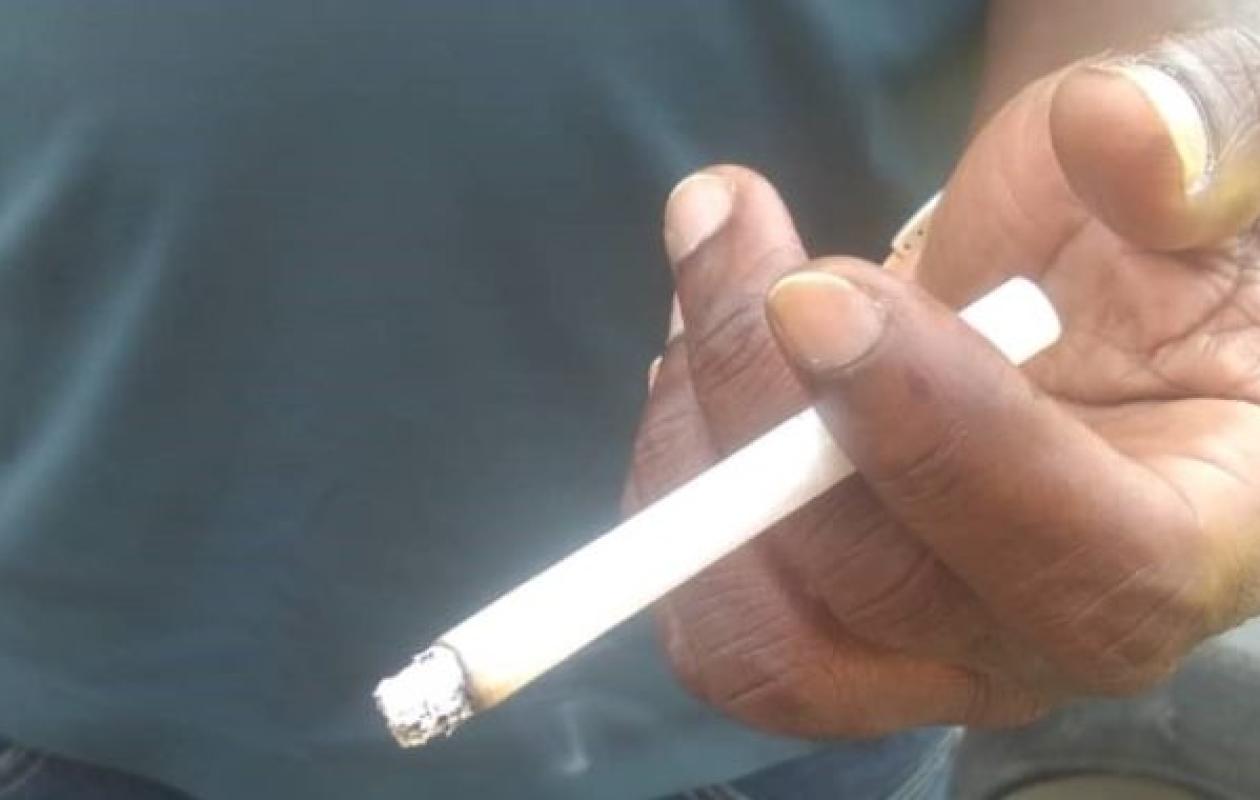
Tabagisme passif : Un poison invisible au cœur de notre quotidien
Every day, thousands of non-smokers inhale cigarette smoke unintentionally. Whether at home, at work, or in public spaces, secondhand smoke acts as a silent threat. In an interview conducted on April 14, 2026, Dr. Samedi Dje Bi , director of the Blue Cross of Côte d'Ivoire and an expert in addiction, raised the alarm about this often underestimated scourge.
Smoking is not simply a matter of individual choice. For Dr. Dje Bi, the conclusion is undeniable: non-smokers absorb a massive amount of toxic substances. The "passive smoker" actually breathes in a cocktail of three types of smoke:
Contrary to popular belief, not holding a cigarette does not protect against serious illnesses. The risks for non-smokers are the same, and sometimes even more severe :
Vulnerability begins as early as pregnancy. Tobacco crosses the placental barrier, exposing the fetus to risks of low birth weight or developmental disorders.
"The danger persists after birth, especially when parents smoke near the child, even while the child is asleep," warns Dr. Dje Bi.
The result? An increased risk of neurological complications and respiratory diseases throughout growth.
The fight against tobacco is also a societal and economic challenge. Here are some key figures on the situation in Côte d'Ivoire:
| Indicator | Key data |
| Mortality | 5,000 annual deaths linked to tobacco. |
| Health costs | 28 billion FCFA per year for the State. |
| Trade deficit | 38.7 billion FCFA (2014 data). |
| Taxation | Tax of 43% (compared to 50% to 150% according to UEMOA standards). |
The Ivorian government has toughened its stance with the anti-tobacco law of July 2019 , aimed at limiting smuggling and strengthening the ban on smoking in public places (decree of 2012). However, tobacco companies still target developing countries for their young populations.
For Dr. Dje Bi, the solution lies in a strategic three-pronged approach:
The final word: Breathing clean air is a fundamental right. While global consumption is declining (from 1 in 3 adults in 2000 to 1 in 5 today, according to the WHO), vigilance remains essential. Collective responsibility and respect for the law are our best weapons to protect the most vulnerable.


















Commentaires (0)
Participer à la Discussion
Règles de la communauté :
💡 Astuce : Utilisez des emojis depuis votre téléphone ou le module emoji ci-dessous. Cliquez sur GIF pour ajouter un GIF animé. Collez un lien X/Twitter, TikTok ou Instagram pour l'afficher automatiquement.