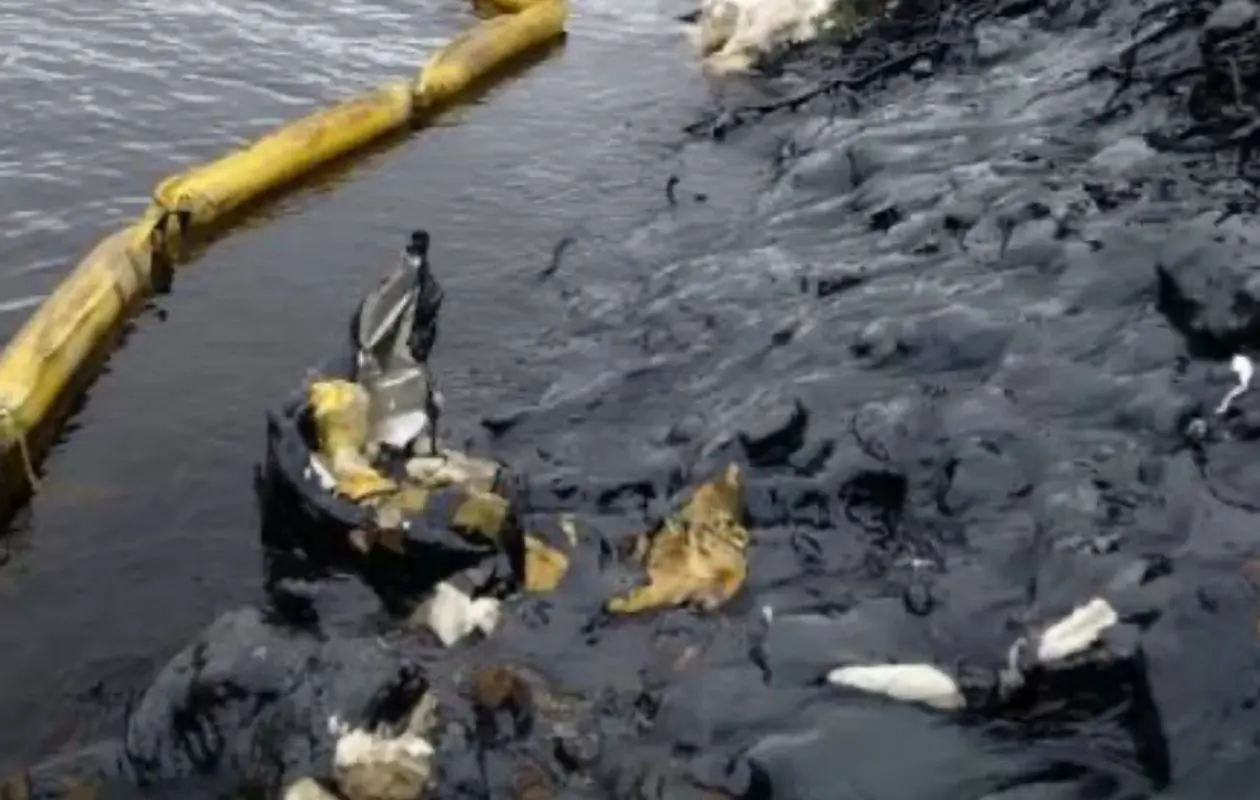
Pollution à Grand-Bassam : Le CIAPOL fait le point sur l'incident et les mesures d'urgence
Following the oil spill that affected 10 km of coastline (Modeste, Gbamelé and Azureti), the Director of the Ivorian Anti-Pollution Center (CIAPOL) provides insights into the management of this crisis and the responsibilities involved.
Although the visual impact on 10 km of beach has made an impression on public opinion, Professor Yapo specifies that this is a Level 1 pollution (less than 10 tonnes).
The incident occurred on the night of December 27, 2025 .
The Director sought to reassure the public about the environmental impact:
A video showing a young girl in the immediate vicinity of the oil spill has circulated. Professor Yapo reiterates the serious risks involved:
"A spark from a phone could have caused an explosion or a fire. In case of pollution, never approach and immediately contact the emergency number: 05 54 14 00 00. "
CIAPOL acknowledges that while satellite and drone surveillance is effective during the day, the system needs to be strengthened for more efficient nighttime detection. With Côte d'Ivoire having become a major oil producer (Baleine and Caloa fields), CIAPOL's technical resources must be upgraded to cover its 566 km of coastline.
| Key incident data | Details |
| Affected sites | Modeste, Gbamelé, Azureti |
| Product type | Light crude oil |
| Estimated volume | ~ 7 tonnes |
| Waste removed | 145 tonnes (sand and debris) |
| Beaches reopening | January 1, 2026 |
In conclusion, Professor Yapo calls for global awareness: while oil spills are spectacular, daily plastic pollution remains the major challenge for Côte d'Ivoire's blue economy. He urges every citizen to be vigilant and respectful of the environment in 2026.

















Commentaires (0)
Participer à la Discussion
Règles de la communauté
💡 Astuce : Utilisez des emojis depuis votre téléphone ou le module emoji ci-dessous. Cliquez sur GIF pour ajouter un GIF animé. Collez un lien X/Twitter, TikTok ou Instagram pour l'afficher automatiquement.
Se connecter
Commentez avec votre profil, votre photo, et soyez averti des réponses.