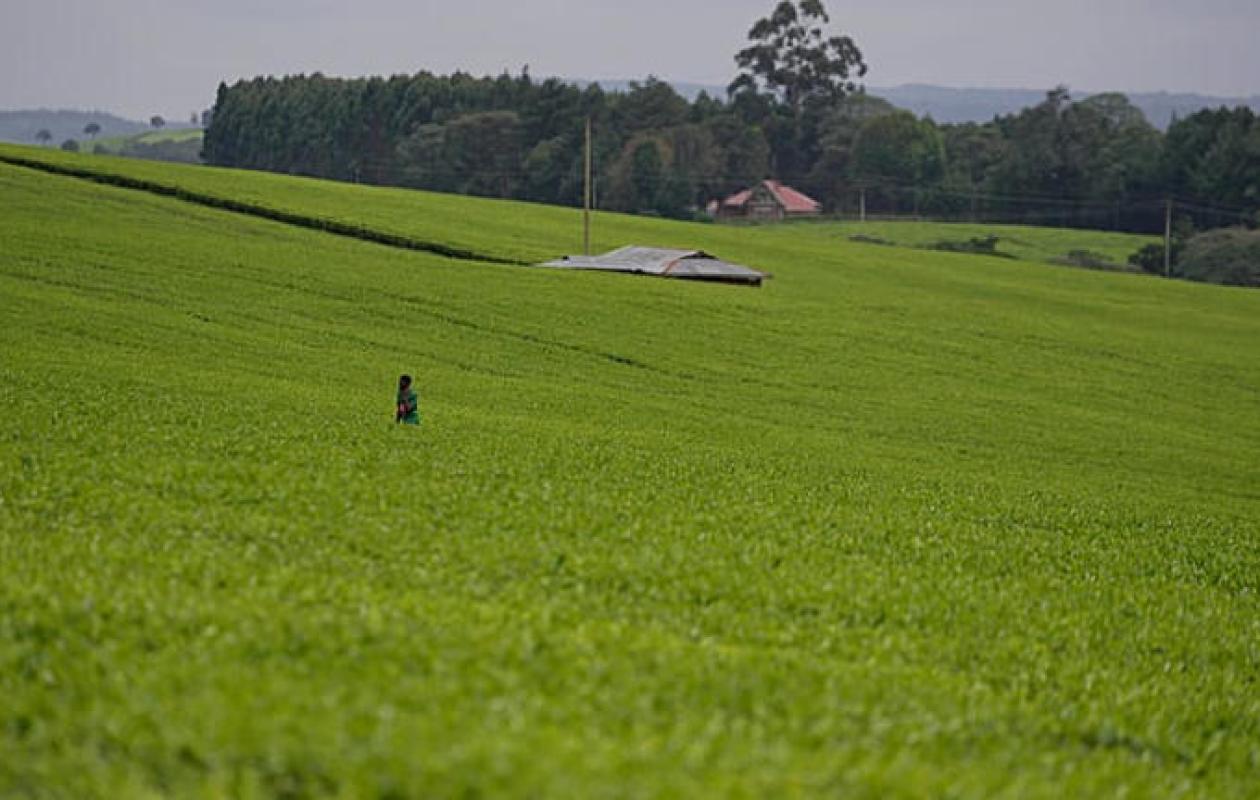
Kenya : Le cri de ralliement des veuves spoliées
In Kenya, mourning is often accompanied by a second tragedy: expropriation. Despite a protective Constitution, thousands of widows are brutally driven from their land by their in-laws, victims of ancestral traditions that still prevail over the law.
At 70 years old, Rebecca Anyango is waging an exhausting battle. Having lived on her land for 26 years, she has faced eviction threats from her in-laws since her husband's death sixteen years ago.
"This is where I buried my husband. His grave is here. Where do you want me to take his remains? Where do you want me to take my grandchildren?" she asks, helpless in the face of a trial she must confront without a lawyer.
In the west of the country, among the Luo, Luhya or Kisii communities, the refusal of ritual practices such as "sexual cleansing" or "inherited marriage" (the obligation to marry the brother of the deceased) often serves as a pretext for dispossession.
Anne Bonareri , 60, paid a heavy price. In 1997, the day after her husband's funeral, her brother-in-law demanded she marry him. Her refusal triggered a violent crackdown: armed men attacked her, and her in-laws seized everything, from her land to her clothes. Today, she has only one photograph of her husband.
Faced with this systemic injustice, solidarity is being organized to break the cycle of poverty that affects these women and their children:
Siaya's initiative represents a glimmer of hope. For activists, the goal now is to replicate this legislative model in other counties across Kenya. By combining legal action on the ground with evolving laws, women like Rebecca and Anne hope to finally see their dignity and property respected.



















Commentaires (0)
Participer à la Discussion
Règles de la communauté
💡 Astuce : Utilisez des emojis depuis votre téléphone ou le module emoji ci-dessous. Cliquez sur GIF pour ajouter un GIF animé. Collez un lien X/Twitter, TikTok ou Instagram pour l'afficher automatiquement.
Se connecter
Commentez avec votre profil, votre photo, et soyez averti des réponses.