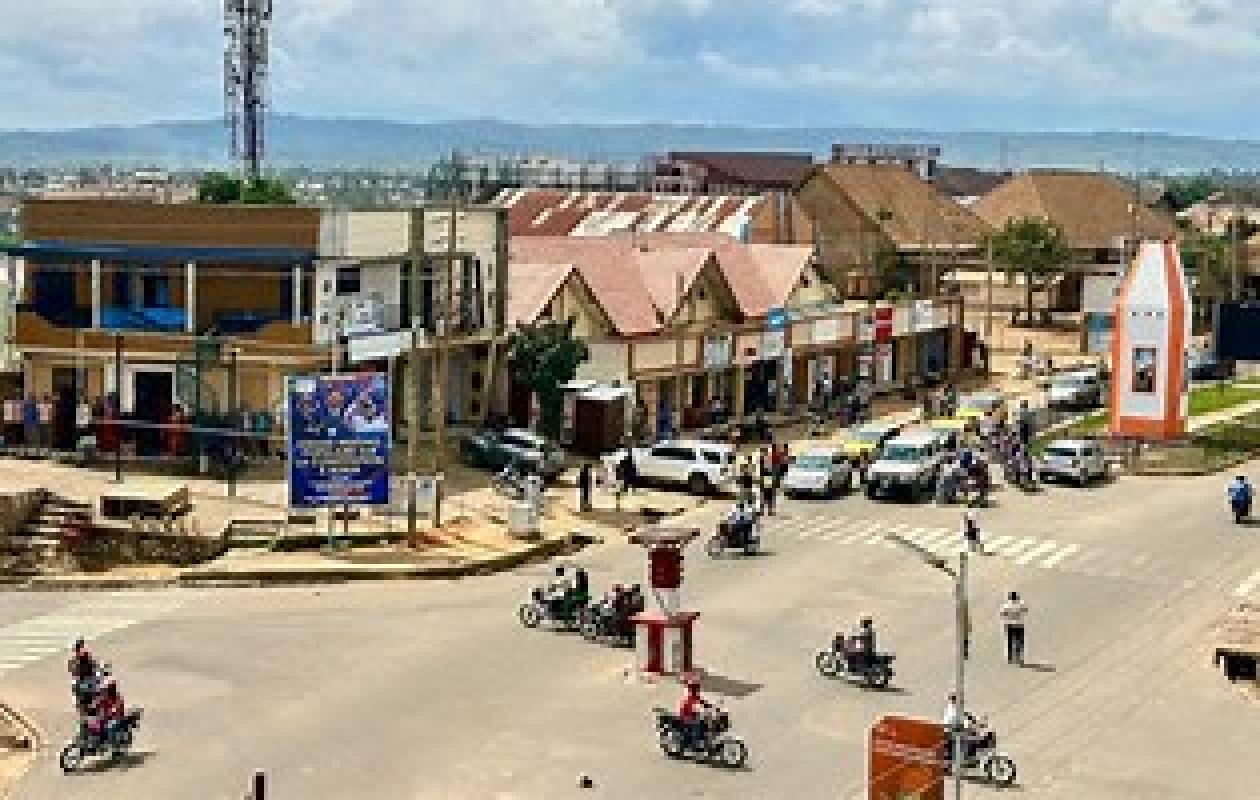
RDC : L'Ituri face à une nouvelle épidémie d'Ebola, la société civile redoute le pire
A new Ebola virus outbreak has struck northeastern Democratic Republic of Congo (DRC). The Africa Centres for Disease Control and Prevention (Africa CDC) officially confirmed the information on Friday, May 15, 2026: analyses by the INRB in Kinshasa confirmed the presence of the "Bundibugyo" strain, a rare variant that had not been detected since 2012.
The first report released by the Ministry of Health is already grim: 246 suspected cases and 80 deaths potentially linked to the disease.
According to a report from provincial health authorities dated May 13, the virus was likely circulating undetected as early as April. The alert was only raised on May 5 via social media, following an abnormal increase in mortality in the Mongwalu health zone.
On the ground, the situation deteriorated rapidly:
Why did the diagnosis take so long?
Initially, the tests came back negative for Covid, Mpox, and even Ebola. The medical teams were only targeting the "Zaire" strain, the most common in the country. Further analysis was needed to discover that it was actually the "Bundibugyo" variant.
Three densely populated health zones are currently affected: Bunia, Mongwalu and Rwampara .
Dieudonné Lossa, coordinator of the civil society group Forces vives de l'Ituri, is sounding the alarm. He fears a massacre if strict measures are not taken immediately, especially since the region is already weakened by a critical security situation.
“The people of Mungwalu and Bunia interact daily. We are asking the Provincial Health Division and all partners to take urgent measures to ensure the safety of the population. (...) We are already struggling with the security situation. If an Ebola outbreak were to occur, it would be extremely serious. We want everyone's full attention.”
— Dieudonné Lossa, civil society coordinator of Ituri
The danger of this epidemic lies in the very nature of the identified variant. Unlike other strains of Ebola, science has very few weapons against this one:
| Strain / Variant | History in the DRC | Treatment and Vaccine |
| Zaire (The most common) | The origin of the 2025 epidemic | Yes : Effective vaccine and validated treatment. |
| Sudan | Regular appearances (particularly in Uganda) | In development : 3 promising vaccine candidates. |
| Bundibugyo (Current strain) | It appeared in 2007 (Uganda) and in 2012 (Isiro, DRC) | None : Less studied, there is no vaccine or treatment to date. |
Faced with this threat, vigilance is essential. Authorities remind the public that a toll-free number, 151 , is available for any questions or to report suspected cases.

















Commentaires (0)
Participer à la Discussion
Règles de la communauté
💡 Astuce : Utilisez des emojis depuis votre téléphone ou le module emoji ci-dessous. Cliquez sur GIF pour ajouter un GIF animé. Collez un lien X/Twitter, TikTok ou Instagram pour l'afficher automatiquement.
Se connecter
Commentez avec votre profil, votre photo, et soyez averti des réponses.