Sénégal oriental : Quand les citoyens deviennent le rempart contre le jihadisme
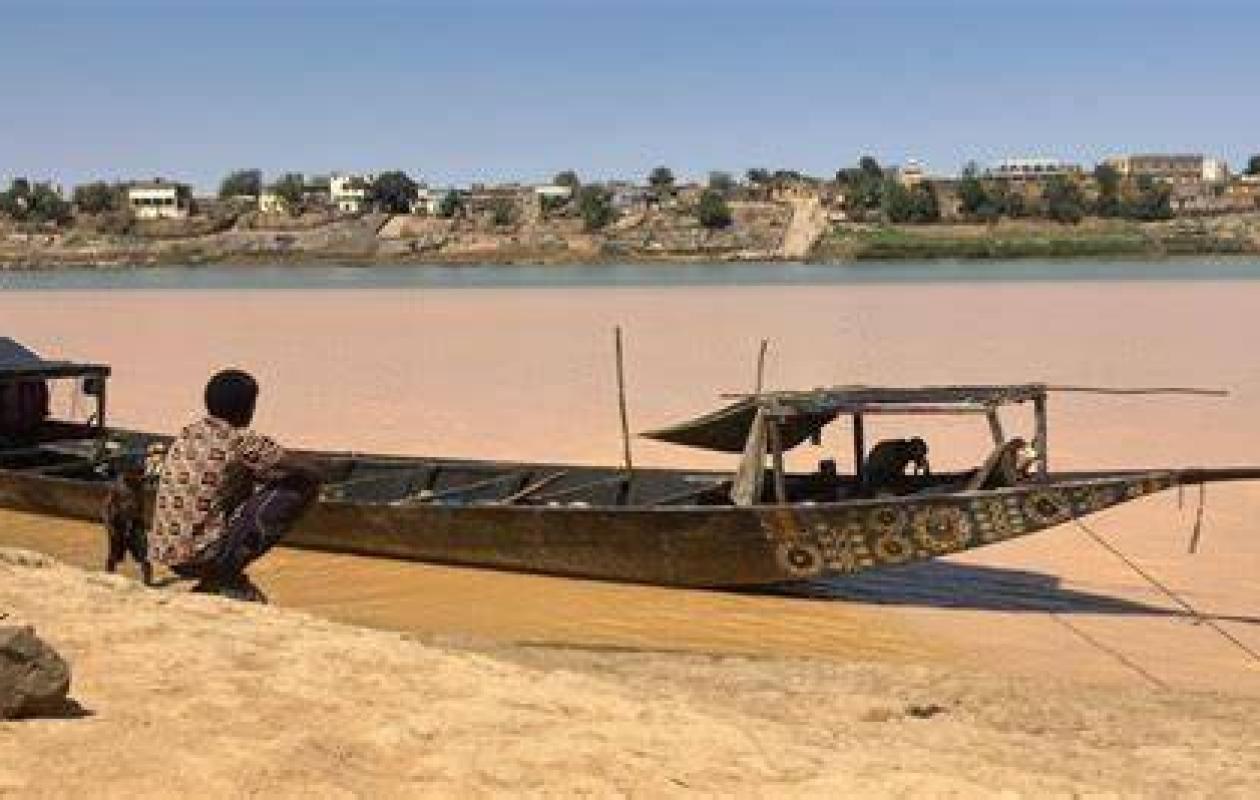
At the confluence of the Falémé and Senegal rivers, the apparent calm of the landscapes masks a growing anxiety. In this strategic area of the "three borders" (Senegal, Mali, Mauritania), the terrorist threat is no longer a distant hypothesis, but a reality that dictates the daily lives of the local population.
The village of Ballou , with its 8,500 inhabitants, perfectly illustrates the vulnerability of the region. Facing Mali and Mauritania, the border is alarmingly porous, especially during the dry season when the river is crossed on foot.
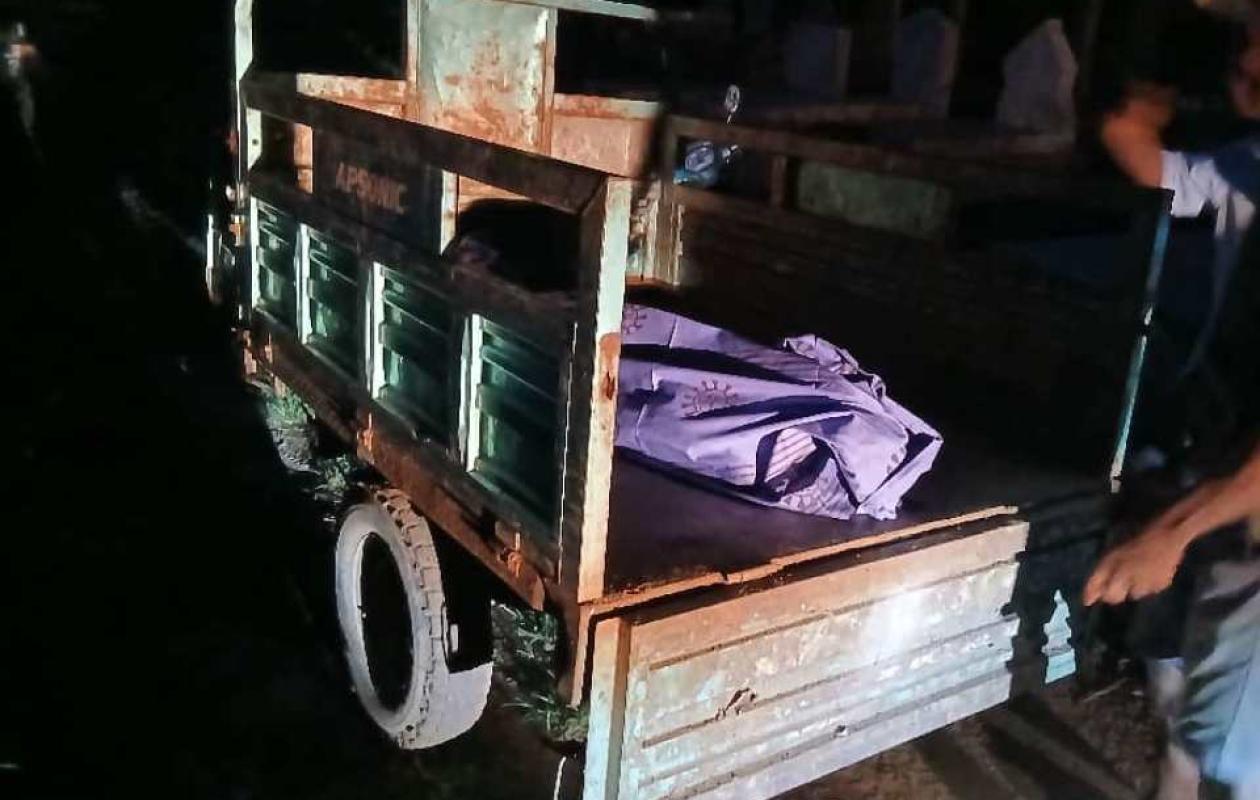
Recent incidents have served as a wake-up call:
Faced with the vastness of the territory to be monitored, the Senegalese state is relying on a collaborative strategy: making the inhabitants the first alert sensors.
Although army and gendarmerie patrols are now more visible, they cannot be everywhere. To fill the gaps, a community watch network has been established:
“We are constantly exposed. On both sides of the river, we are the same families, so we organize ourselves and we alert each other.” — Aboubaker Niangané , chief of the village of Ballou.
This heightened vigilance is not without consequences. In a climate of constant tension, fear sometimes takes over. In Gangala , a simple wedding procession traveling by motorcycle recently triggered widespread panic, with residents convinced of a jihadist incursion.
This misunderstanding highlights the major challenge for eastern Senegal: maintaining an operational level of vigilance without slipping into paranoia that would paralyze social life in these remote areas.
















Commentaires (0)
Participer à la Discussion
Règles de la communauté :
💡 Astuce : Utilisez des emojis depuis votre téléphone ou le module emoji ci-dessous. Cliquez sur GIF pour ajouter un GIF animé. Collez un lien X/Twitter, TikTok ou Instagram pour l'afficher automatiquement.